


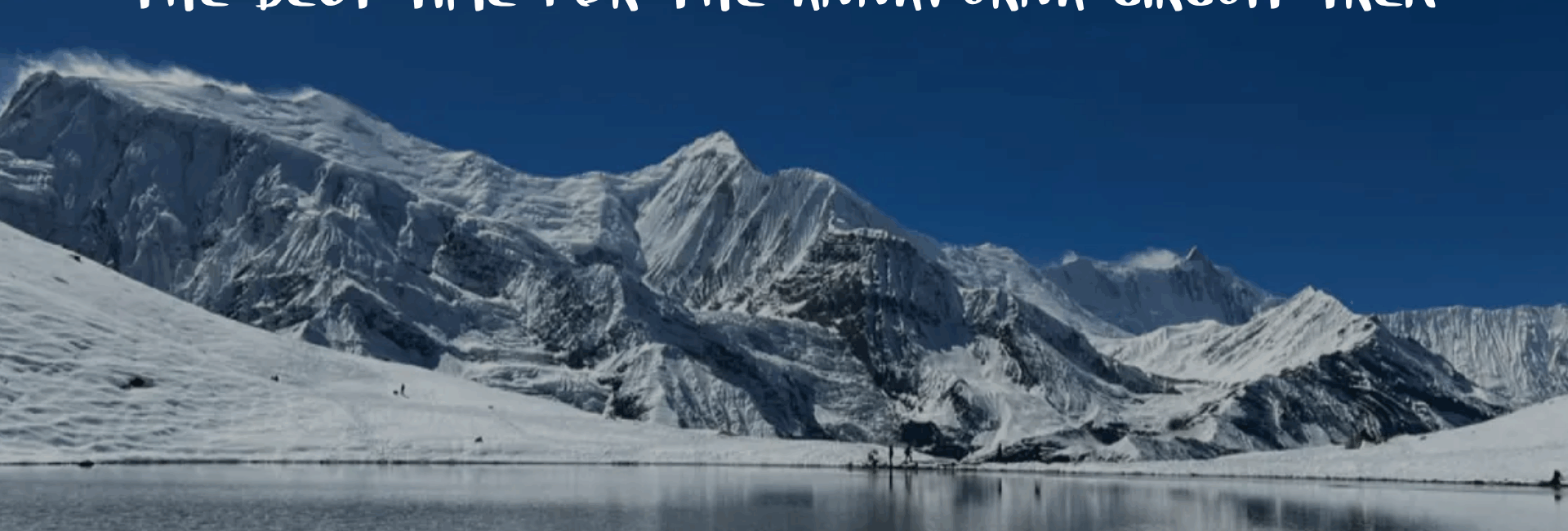
In the year 2024, over 31,000 trekkers come to explore the Annapurna region, making the Annapurna Circuit one of the most famous trekking routes in the world. The trail covers between 160 to 230 kilometers depending on the path you choose. It’s not just a tough physical challenge, timing your trek right is very important.
We’ve guided hundreds of trekkers through the Annapurna Circuit, and we know how much the weather and seasons can affect your trip. Nepal’s unique mountain climate changes a lot throughout the year, and missing the best time to trek can make your journey harder or less enjoyable. Whether you want clear mountain views, to see the beautiful rhododendron flowers bloom, or to safely cross the high Thorong La Pass, understanding the seasons and altitude challenges is key to a great adventure.
Understanding the Annapurna Circuit Trek
The Annapurna Circuit isn’t just a trek, it is a complete Himalayan experience that challenges your body, awakens your spirit, and rewards you with some of the most amazing views on Earth. The Annapurna Circuit is between 160 and 230 kilometers (100 to 145 miles) long, depending on where you start and end. The trail takes you through green forests and farmland, then up to dry high mountains and snowy passes. Most people finish the trek in 12 to 20 days, depending on how fast they walk and how much time they take to get used to the altitude.
Why Timing Matters for the Annapurna Circuit Trek
The Annapurna Circuit is a breathtaking journey, but its success depends heavily on choosing the right time to walk it. Unlike short, low-altitude hikes, this circuit crosses everything from subtropical valleys to one of the world’s highest mountain passes at 5,416 meters (Thorong La). That range of elevation means timing affects climate, trail safety, and your overall experience more dramatically than most other treks.
Changes in Climate, Visibility, and Trail Safety
Seasonal climate directly shapes what you will see and how safely you’ll move through the mountains. For example:
- Spring (March–May) brings warmer temperatures, moderate crowds, and lush rhododendron blooms, with generally stable conditions and clear skies.
- Autumn (September–November) is the most popular: cool, dry, and crisp with near-perfect visibility of Himalayan giants like Annapurna and Machhapuchhre.
- Summer monsoon (June–August) introduces heavy rain, trail washouts, mudslides, and frequent cloud cover that can block views entirely.
- Winter (December–February) sees snow blocking the high passes, sub-zero temperatures at night, and increased risk of altitude-related emergencies.
As a result, trail conditions can swing between pleasant and truly dangerous depending on when you trek. A seemingly simple slip on a frozen path, or an unexpected landslide during monsoon, could end your trek—or worse.
Visibility is another crucial factor. In the monsoon, even spectacular peaks like Dhaulagiri can disappear behind thick clouds for days. If you’ve come all the way to Nepal for those unforgettable Himalayan panoramas, choosing the right season is non-negotiable.
Key Factors to Consider When Choosing Your Trekking Time
Timing your Annapurna Circuit trek is not just about avoiding the rain, it’s about maximizing safety, scenery, cultural connection, and overall trekking experience. Here’s a deep dive into the most important factors that influence when to go:
A. Weather & Temperature
Weather has a big effect on your trek along the Annapurna Circuit. At lower places like Besisahar to Chame, daytime temperatures are usually between 15°C and 25°C (59°F to 77°F) in spring and autumn. But as you go higher, especially above 4,000 meters (13,123 feet), it can get very cold—sometimes as low as -10°C (14°F) early in the morning or at night, especially near Thorong La Pass (5,416 meters).
B. Crowd Levels
The Annapurna Circuit attracts over 100,000 trekkers annually, with a sharp spike in October and April. During peak season, teahouses fill up quickly — especially around popular stops like Manang, Thorong Phedi, and Muktinath.
- Peak months (Oct–Nov, Mar–Apr): Expect high foot traffic and the need to book accommodations at least 1–2 days in advance.
- Off-season (Monsoon/Winter): Quieter trails, more flexible lodging, but fewer open teahouses and limited services.
C. Difficulty & Trail Conditions
Trail safety and difficulty vary significantly by season. Monsoon months bring muddy trails, swollen rivers, and landslide risks, particularly between Jagat and Danaque. Conversely, heavy snow in winter often blocks the Thorong La Pass, cutting off access for several days.
- According to Himalayan Rescue Association (HRA), over 60% of winter closures at Thorong La are due to deep snow and risk of frostbite or altitude-related illness.
- Post-monsoon erosion also makes some stone staircases unstable, increasing risk for knee injuries and slips.
D. Festivals & Cultural Experiences
Nepal’s major festivals such as Dashain (Sep/Oct) and Tihar (Oct/Nov) offer a unique opportunity to experience local traditions along the trail. During this time, many locals return home, meaning some teahouse owners may temporarily leave or operate with limited staff.
- While cultural interaction is heightened, it’s advisable to confirm open accommodations in advance, especially in remote areas.
- Villages like Marpha, Kagbeni, and Braga come alive with traditional music, offerings, and pujas during these festivals.
[wptb id=973]
Overview: Annapurna Circuit Weather by Season
When planning your Annapurna Circuit trek, understanding the seasonal weather patterns can make or break your experience. As a seasoned guide, we always emphasize how crucial it is to align your trekking schedule with the season that suits your expectations, whether you’re chasing crystal-clear mountain views or a quieter trail. Here’s a detailed seasonal breakdown to help you plan better:
Season-wise Summary of Annapurna Circuit Trek
[wptb id=979]
Month-by-Month Breakdown: What to Expect on the Annapurna Circuit
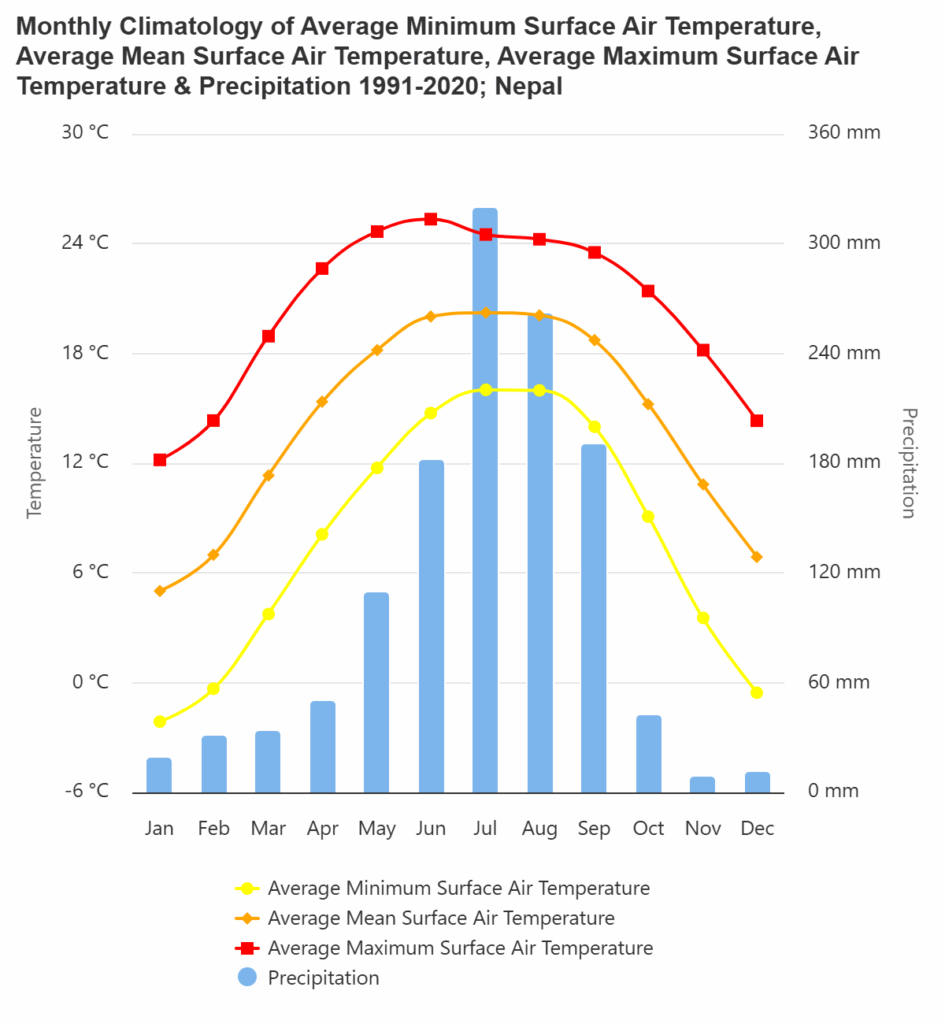
Understanding the climate trends across the year is crucial for planning your trek. As a trekking guide who’s led groups across every season, I can assure you — timing can define your experience on the Annapurna Circuit. Below is a detailed month-by-month guide to help you assess the best time for your journey.
Graph: Average Temperature and Rainfall
 [wptb id=980]
Best Time to Trek Based on Your Preferences
Not every trekker comes to the Annapurna Circuit for the same reason. Whether you’re chasing perfect photos, want a quiet path, or need to watch your budget, timing your trek accordingly can make all the difference. Based on my experience guiding diverse groups on this trail, here’s a tailored breakdown:
[wptb id=981]
Expert Tip:
If you’re trekking for the first time or prefer moderate conditions, March–April or October–November are your best bets. Avoid the June–August monsoon season unless you’re experienced with remote, wet conditions and have backup plans for trail blocks.
Tips for Choosing the Right Time to Trek the Annapurna Circuit
Choosing the best time for your Annapurna Circuit trek can really shape your entire experience. Here are some helpful tips from our experienced trekking team to guide you:
- Think About the Weather: If you want clear skies and comfortable weather, aim for spring (March–May) or autumn (September–November). These seasons offer the best views and safer trails.
- Avoid the Monsoon Season: Trekking from June to August means dealing with heavy rain, muddy paths, and poor visibility. Leeches and landslides can also be a problem.
- Winter Treks Are Challenging: If you’re planning to go between December and February, be ready for snow and freezing cold, especially near Thorong La Pass. Some routes may even be closed.
- Check Your Fitness and Acclimatization: Choose a time when you’re not rushed. Having extra days helps you adjust to high altitudes and enjoy the journey more.
- Festival Time in Nepal: If you’re interested in local culture, plan your trek during Nepali festivals like Dashain or Tihar (usually in October or November). You’ll get a richer experience of village life along the way.
Rely on Local Knowledge: Our team has guided trekkers in every season. If you’re unsure when to go, feel free to ask us. We’re here to help you pick the best time based on your needs and preferences.
When Not to Trek the Annapurna Circuit – A Caution from the Experts
If there’s one period seasoned trekkers and local guides consistently advise against, it’s the monsoon season, June through August. Despite the lush greenery this time of year brings, the risks far outweigh the rewards.
Major Risks During Monsoon Months:
- Landslides & Trail Washouts: Frequent, heavy downpours can trigger dangerous landslides, especially in lower elevations between Besisahar and Ghorepani.
- Slippery, Muddy Trails: Trekking conditions deteriorate rapidly, increasing the likelihood of injuries and delays.
- Leeches and Insects: Infestation is common, especially in forested sections—making low-altitude walks uncomfortable and unsanitary.
- Flight Delays and Road Closures: Flights to Jomsom and road access via Besisahar often get disrupted, throwing off itineraries with little warning.
Even experienced mountaineers often avoid this period unless they are conducting research or on assignment. If you value safety, trail clarity, and stunning mountain views—skip the monsoon and choose spring or autumn instead.
FAQs
- How many days does the Annapurna Circuit Trek typically take?
Most trekkers complete the circuit in 12 to 21 days, depending on the chosen route, acclimatization days, and side trips like Tilicho Lake.
- Do I need a guide or can I trek the Annapurna Circuit solo?
As of April 2023, the Nepal Tourism Board requires all foreign trekkers to hire a licensed guide for safety and environmental reasons.
- What permits are required for the Annapurna Circuit Trek?
You’ll need the TIMS (Trekkers’ Information Management System) card and the ACAP (Annapurna Conservation Area Permit). Both can be obtained in Kathmandu or Pokhara.
- What level of fitness is needed for this trek?
Moderate to high fitness is required. While technical climbing isn’t involved, trekkers must handle long daily walks (5–8 hours), high altitudes (up to 5,416m), and changing weather.
- Is altitude sickness a concern on this trek?
Yes. Since the trail crosses Thorong La Pass (5,416m), acclimatization is crucial. Symptoms include headache, nausea, and fatigue. Always ascend gradually and hydrate well.
- Are there ATMs or places to withdraw cash along the trail?
ATMs are only available in larger towns like Besisahar, Manang, and Jomsom, but they may not always work. It’s recommended to carry enough Nepali rupees from Pokhara or Kathmandu.
- What type of accommodation is available on the Annapurna Circuit?
Teahouses dominate the trail. They offer basic twin-sharing rooms, local meals, and communal bathrooms. Amenities vary by location and season.
- Can I do the Annapurna Circuit in winter (December–February)?
Yes, but it’s only recommended for experienced trekkers. Expect snow, freezing temperatures, and limited teahouse availability especially around Thorong La.
- Is Wi-Fi or mobile network available during the trek?
Limited mobile coverage (NTC and Ncell) is available in lower villages. Some teahouses offer paid Wi-Fi, but don’t expect strong connectivity above Manang or Thorong La.
- What are the food options during the trek?
Meals are typically local and carb-rich, such as dal bhat, momos, pasta, soups, and Tibetan bread. Vegetarian options are widely available, but meat is not recommended at higher elevations due to poor preservation.
Conclusion
The Annapurna Circuit is a life-changing journey but timing is everything. For clear skies, stable weather, and optimal trekking conditions, March to May and September to November are widely considered the best months. However, each season has its own charm—whether it’s blooming rhododendrons in spring or dramatic landscapes post-monsoon.
Ultimately, the right time to trek depends on your priorities—be it solitude, scenery, or budget. No matter when you choose to go, proper planning ensures a safe and rewarding experience.
Ready to plan your trek? Explore our Annapurna Circuit packages with expert guides, personalized support, and flexible dates to match your schedule.