


Vehicle rental in Nepal, Nepal is a country of great geographical diversity, ranging from the lowland Terai plains to the high Himalayan mountains. Because of this varied terrain and the growing movement of people for tourism, business, education, and daily life, transportation plays a vital role in the country. Among the different transportation options, vehicle rental services have become increasingly popular in Nepal. Vehicle rental allows individuals and groups to hire vehicles for a specific period without owning them, offering convenience, flexibility, and cost efficiency. This essay discusses the concept, types, importance, challenges, and future prospects of vehicle rental in Nepal.
Concept of Vehicle Rental
Vehicle rental refers to a service in which a company or individual provides vehicles to customers for temporary use in exchange for payment. The rental period may range from a few hours to several days or even months. In Nepal, vehicle rental services are commonly used by tourists, business travelers, local residents, government offices, and organizations for transportation needs.
Unlike public transportation, rental vehicles offer privacy, comfort, and freedom to travel according to personal schedules. Customers can choose vehicles based on their needs, such as small cars for city travel or four-wheel-drive vehicles for mountainous regions.
Types of Vehicles Available for Rent in Nepal
Vehicle rental services in Nepal offer a wide variety of options to meet different travel requirements.
- Cars
Cars are the most commonly rented vehicles, especially in urban areas like Kathmandu, Pokhara, and Chitwan. Sedans and hatchbacks are suitable for city travel, airport transfers, and short-distance trips. Tourists often prefer cars for comfort and convenience.
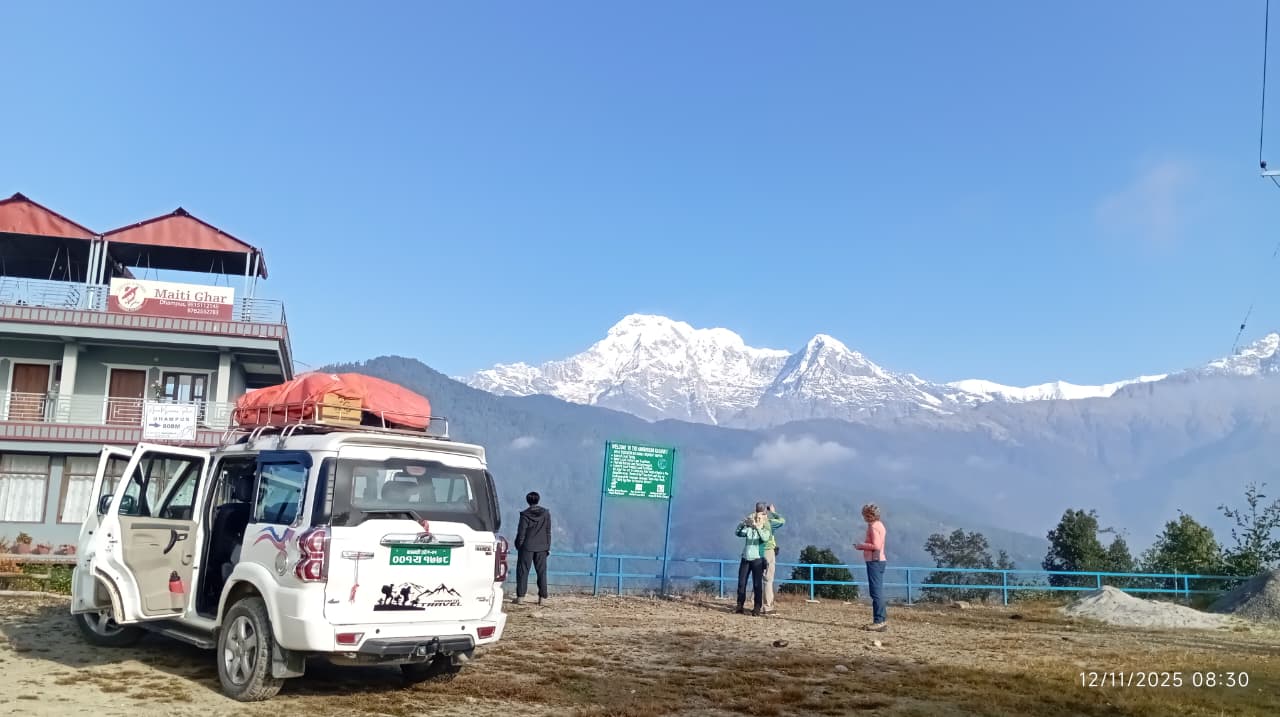
- Jeeps and SUVs
Due to Nepal’s hilly and mountainous terrain, jeeps and SUVs are in high demand. These vehicles are ideal for rough roads, off-road travel, and remote destinations such as Manaslu area, Mustang, Manang, Dolpa, Solukhumbu and Langtang. Four-wheel-drive vehicles are especially popular for adventure tourism.
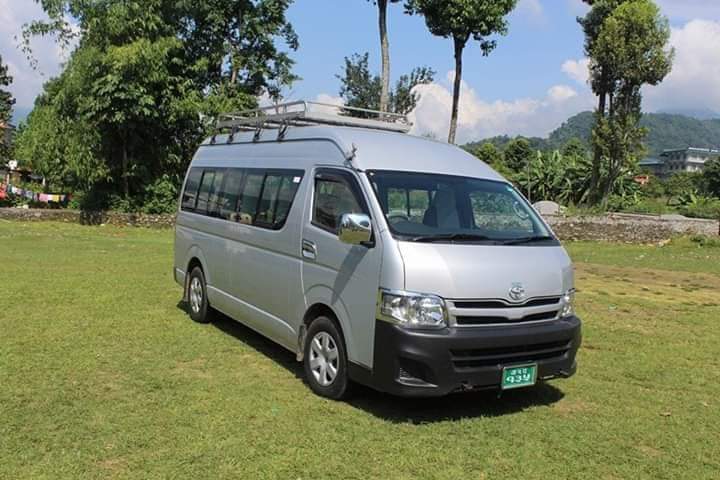
- Vans and Minibuses
Vans and minibuses are rented by families, groups, schools, and offices for group travel. These vehicles are commonly used for tours, picnics, weddings, and official programs.
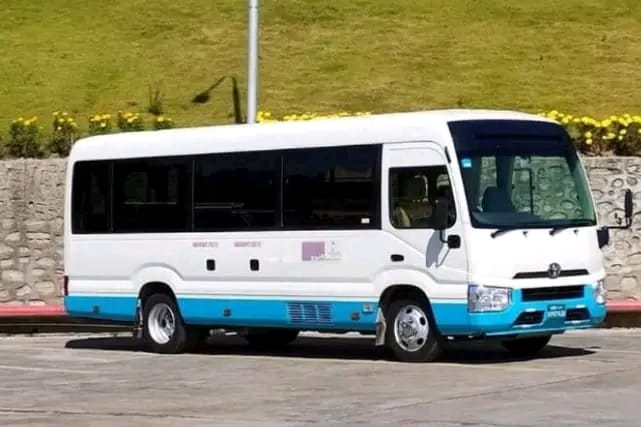
- Buses and Coasters
For large groups, such as tourists, students, or pilgrims, buses and coasters are available for rent. These are commonly used for long-distance travel and religious or educational tours.
Vehicle Rental with Driver
Most rental vehicles in Nepal are hired with professional drivers. This is especially preferred by tourists who are unfamiliar with Nepal’s roads, traffic rules, and driving conditions. Drivers often act as guides, helping travelers navigate routes and local customs.
Importance of Vehicle Rental in Nepal
Vehicle rental services play an important role in Nepal’s transportation and economic system.
- Support to Tourism Industry
Tourism is one of Nepal’s major sources of income. Vehicle rental services help tourists reach popular destinations such as Kathmandu Valley, Pokhara, Lumbini, Chitwan National Park, and trekking regions. Reliable transportation improves tourists’ experiences and encourages longer stays.
- Employment Opportunities
The vehicle rental sector creates jobs for drivers, mechanics, cleaners, office staff, and tour guides. Many drivers earn their livelihoods through rental services, contributing to economic development.
- Convenience and Flexibility
Vehicle rental allows people to travel according to their own schedules. It is especially useful for emergencies, business trips, family functions, and official programs where public transport may not be suitable.
- Cost-Effective Transportation
Owning a vehicle can be expensive due to purchase costs, maintenance, insurance, and taxes. Renting a vehicle is often more economical for short-term or occasional use.
- Support for Rural and Remote Travel
Many remote areas of Nepal lack regular public transport. Rental vehicles help people access these areas for development work, medical services, research, and tourism.
Vehicle Rental Process in Nepal
The process of renting a vehicle in Nepal is generally simple:
- Booking– Customers can book vehicles through rental offices, travel agencies, or online platforms.
- Documentation– Identification documents.
- Payment– Payment may be made in cash or digitally. Prices depend on vehicle type, distance, duration, and fuel policy.
- Contact Loong Adventures for the booking will be easy
Vehicle Use – The customer uses the vehicle for the agreed period and purpose.
Challenges of Vehicle Rental in Nepal
Despite its benefits, the vehicle rental industry in Nepal faces several challenges.
- Poor Road Conditions
Many roads in Nepal are narrow, unpaved, and damaged by monsoon rains. Poor road conditions increase vehicle wear and risk of accidents.
- Traffic Congestion
Urban areas, especially Kathmandu Valley, experience heavy traffic congestion. This affects travel time and fuel efficiency.
- Limited Regulation
The vehicle rental sector lacks strict regulation and standardization. Pricing, service quality, and safety standards may vary widely between providers.
- Environmental Impact
Increased vehicle use contributes to air pollution and carbon emissions. Old and poorly maintained vehicles worsen environmental problems.
- Seasonal Demand
Tourism in Nepal is seasonal, with peak periods in spring and autumn. During off-seasons, rental companies may face low demand and financial difficulties.
Role of Technology in Vehicle Rental
Technology is gradually transforming the vehicle rental industry in Nepal. Online booking systems, mobile apps, GPS tracking, and digital payments are becoming more common. Customers can compare prices, choose vehicles, and make reservations easily. Technology also improves transparency, safety, and customer satisfaction.
Future Prospects of Vehicle Rental in Nepal
The future of vehicle rental in Nepal is promising. As tourism grows and urbanization increases, demand for rental vehicles is expected to rise. Eco-friendly vehicles such as electric cars and bikes may become more common as the government promotes sustainable transportation. Better road infrastructure, improved regulations, and technological advancements will further strengthen the industry.
The expansion of domestic tourism and ride-sharing concepts may also create new opportunities. With proper planning and investment, the vehicle rental sector can contribute significantly to Nepal’s economic and social development.
Conclusion
Vehicle rental in Nepal is an essential service that supports tourism, employment, and mobility. It provides flexible, convenient, and cost-effective transportation for both locals and visitors. Although the sector faces challenges such as poor road conditions, traffic congestion, and environmental concerns, its benefits are significant. With the adoption of technology, better infrastructure, and sustainable practices, vehicle rental services in Nepal are likely to grow and play an even more important role in the country’s development.
Real-time on-chain DEX analytics for traders – Visit Dexscreener – discover token trends and optimize trades quickly.
Related Blogs

Annapurna Circuit Trekking: Difficulty Levels & What to Expect

